S&P 500 Stock Market Gamma Trading Levels Based on Options Open Interest
Are You Trading In a Fixed Strike Volatility World?
Monday
January
01
1999
Try SpotGamma HIRO Indicator for Free
Real-time options data
See when options drive stocks
0DTE filter for short-term trades
Subscribe to the industry's #1 platform delivering daily expert analysis to unveil:
Proprietary market levels
Bullish or bearish stocks
Hidden trading risks
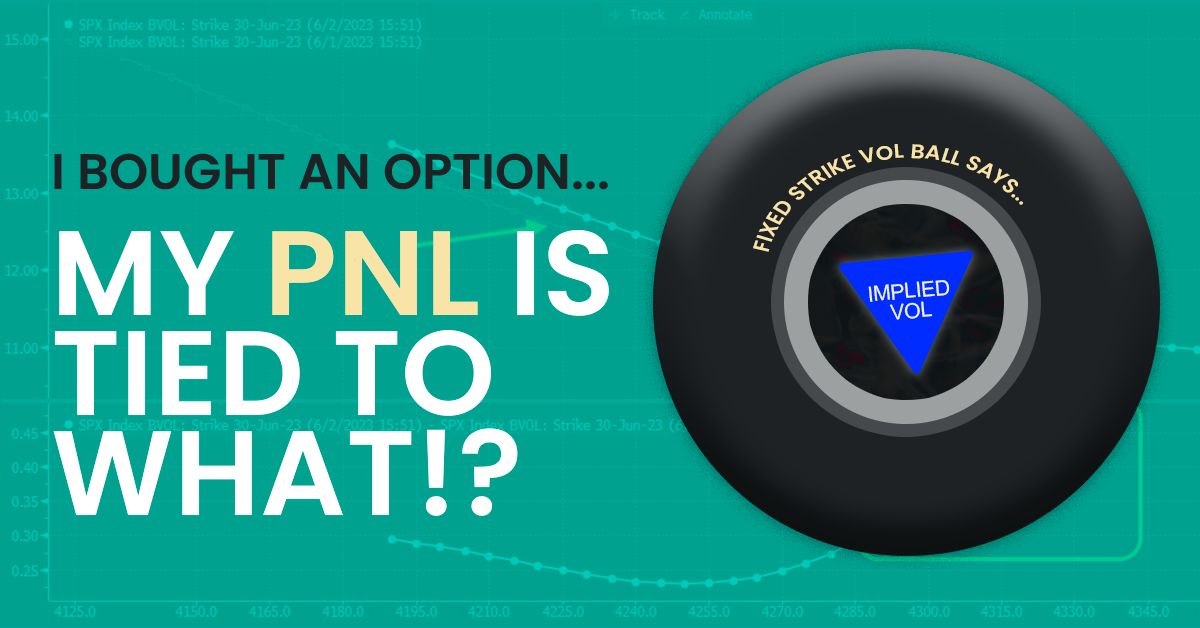
Key Takeaways
Fixed strike volatility is crucial in analyzing risk in options trading. Listen in to hear more about the importance of mitigating risks while trading.
Key Takeaways
Access today's Founder's Note for FREE!
Expert commentary packed with proprietary key levels, major support and resistance targets, and market analysis.
By subscribing, you agree with our Privacy Policy and provide consent to receive updates from our company.
Are you trading in a fixed strike volatility world?
The video discusses the difference between fixed strike volatility and at-the-money volatility. While the VIX hit a one-month low, fixed strike volatility actually increased, which is crucial to consider for open positions. At-the-money volatility is used for predictions and analysis, while fixed strike is important for existing positions. A shift in mindset is necessary to understand the risks of fixed strike volatility, and gives examples of how it impacts trades and profits. Overall, being aware of both types of volatility is important for successful trading.
Once you buy an option, you're in a fixed strike world
Supercharge your trading strategy. Subscribe today.
Subscribe to the industry's #1 platform delivering daily expert analysis to unveil:
Proprietary market levels
Bullish or bearish stocks
Hidden trading risks
Recent Market Analysis
Rising Correlation Is Thinning Out The Rotation Trade
Rising correlation, firmer fixed-strike vol and steeper 3-month put skew suggest the rotation trade is weakening. See where hedges still…
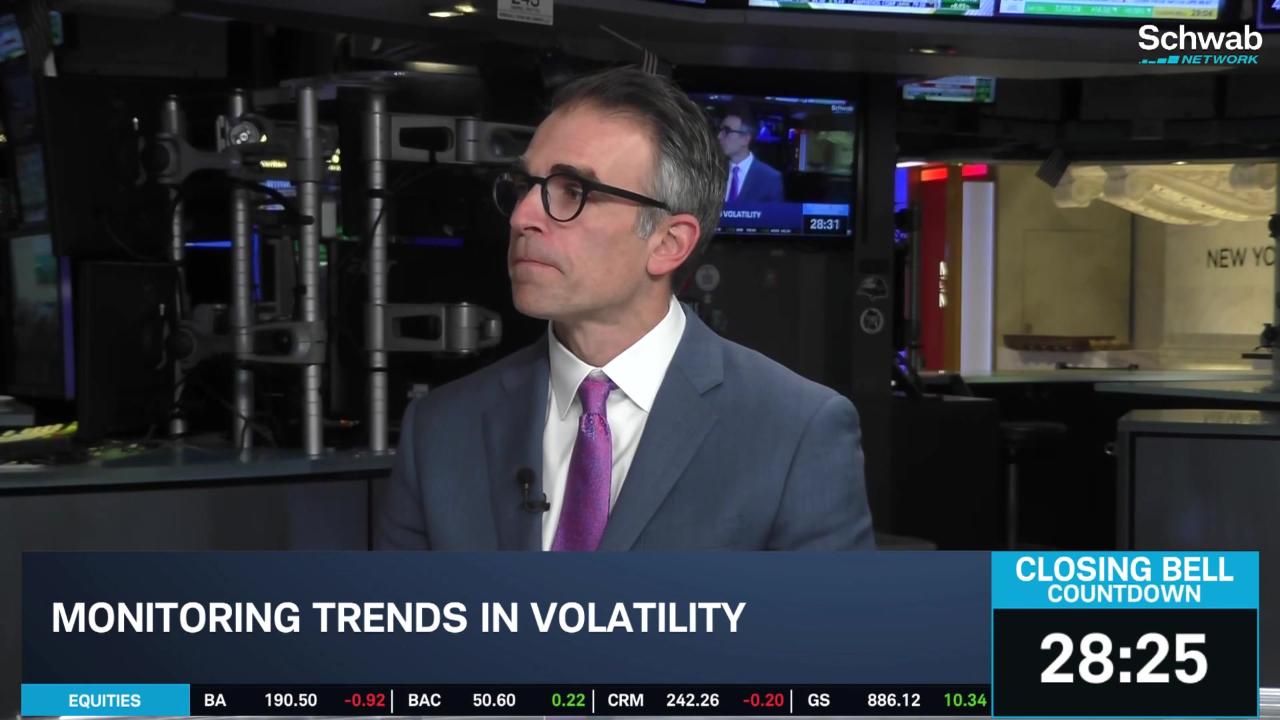
Tech Selloff Looks Like Rotation: Brent Kochuba on Schwab Network
Tech options positioning shows light put demand and short-vol bets into Meta and SPCX earnings, a mix that reads as…
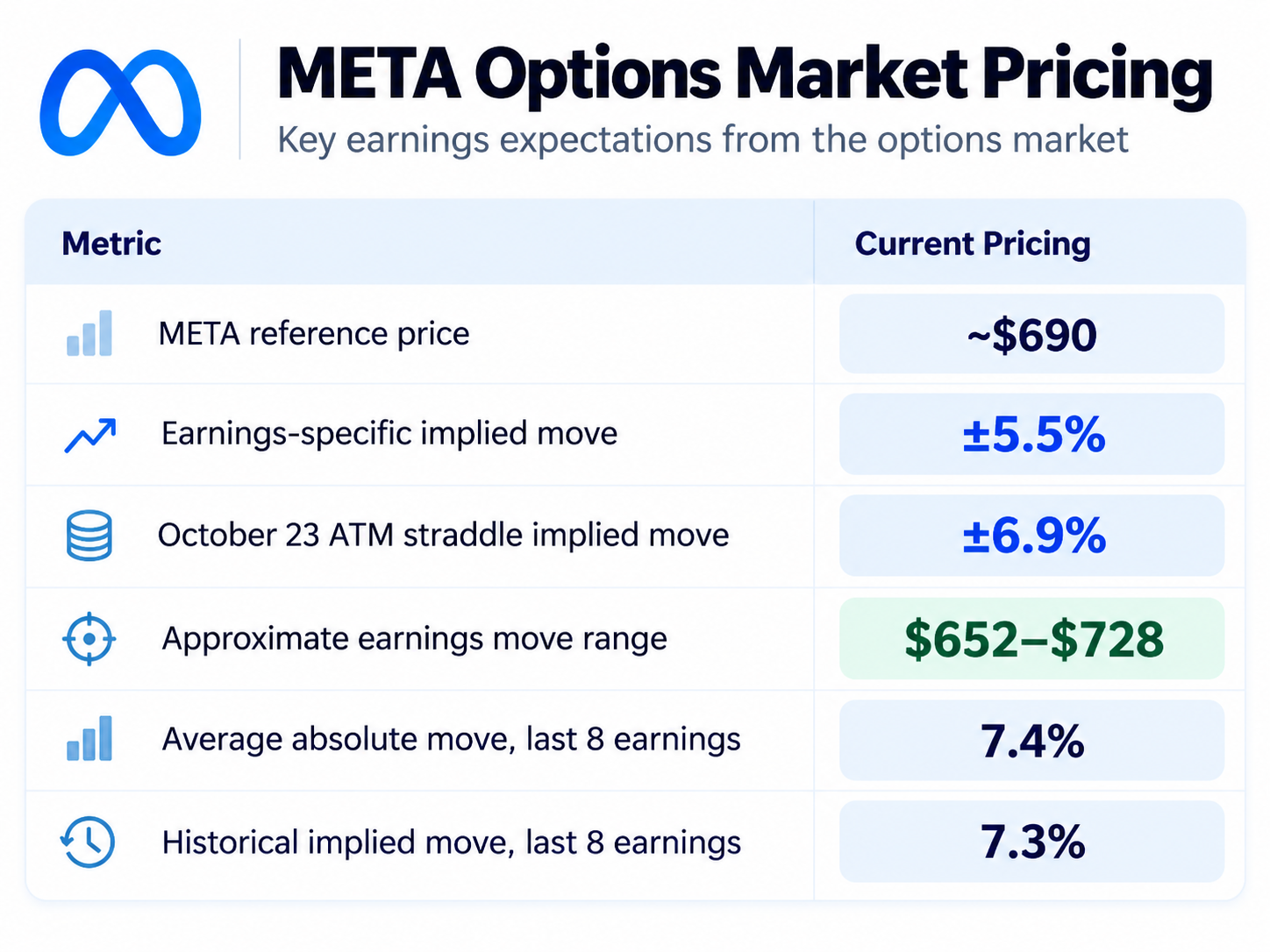
META Earnings Preview: Will Volatility Outrun the Options Market?
Meta Platforms (META) reports Wednesday with investors weighing AI monetization against an increasingly expensive infrastructure buildout. For options traders, the…