
Options delta and options gamma can both combine to form an options gamma squeeze which can result in pushing a stocks price higher.
What is a Gamma Squeeze?
Options market makers hold large numbers of options positions. When they initially trade, they buy or sell a set number of shares to hedge themselves – this is referred to as a “delta hedge”. If the market makers are net short calls that means they likely hold a large quantity of shares to hedge themselves. Should the underlying stock goes higher, the market makers must purchase more shares to maintain this hedge. This is called a gamma hedge.
The act of having to purchase large amounts of stock to maintain a hedge may push the underlying stock to rise in price. This leads market makers to have to purchase additional shares, which could lead to a self reinforcing cycle of buying. This is what is referred to as an options gamma squeeze.
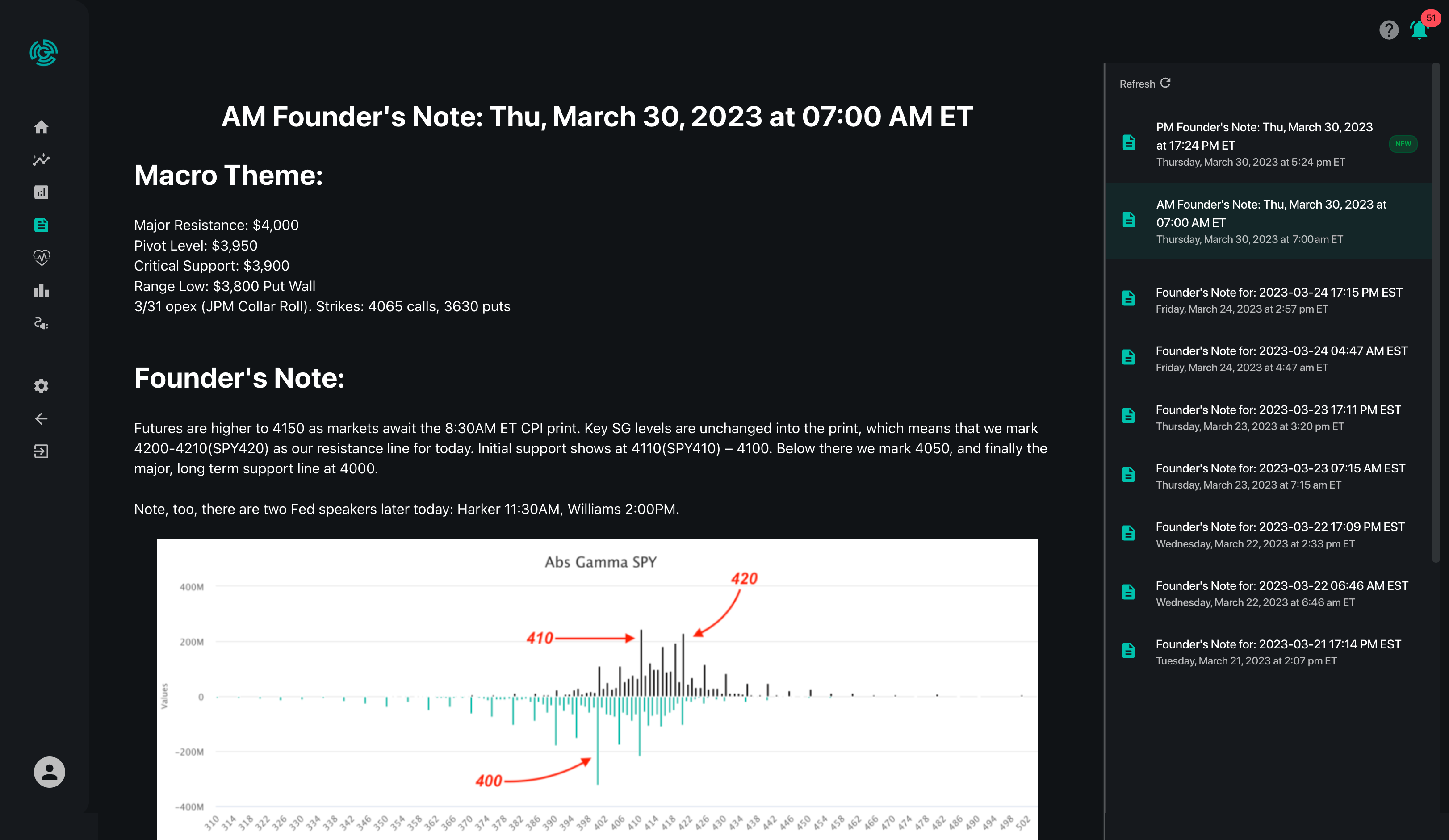
Here is an example of how a gamma squeeze may have pushed AMC and RKT stocks higher.
What is Delta?
Delta is the change in an options value for a 1% move in the underlying stock. Call options have a positive delta, meaning a call options value increases as the stock price increases. Put options have a negative delta which means that put options value increases as the stock price goes down.
As an example, if you own a call option that has a delta of 50, that options value changes in line with that of owning 50 shares of stock.
What is a Delta Hedge?
A delta hedge is when a trader shares of stock against an option position. By doing this, a trader could reduce their exposure to a directional move in the underlying stock.
When a trader purchases a call option, its often sold to them by an options market maker. This trade makes the market maker short a call option. If the stock moves significantly higher, the market maker could lose money. They therefore would hedge themselves by purchasing shares of the underlying stock, and they use the “delta” of an option to determine the appropriate number of shares.
For example, if a trader owns one call option which has a delta of 50, that trader could sell 50 shares of stock to delta hedge.
What Is Gamma?
Gamma is the rate of change of delta for a 1% move in the underlying stock. As a stock price changes significantly, the delta of an option changes. Gamma measures the amount at which delta changes for a given stock move. If you own an option you are “long gamma” or have a “positive gamma” position. If you are short an option you are “short gamma” or have a “negative gamma” position.
For example, lets say you own a call option with a delta of 50, and a gamma of 3. If the underlying stock goes up 1%, your options new delta is 53. Conversely if the stock goes down 1%, your options delta will be 47.
What is a Gamma Hedge?
A gamma hedge is when a trader adjusts their delta hedge. As a stock price moves, the delta of the options position changes. This change is measured by the Greek gamma. As the delta changes, the trader needs to buy or sell shares of stock to adjust their hedge accordingly. This adjustment to their delta hedge is called a gamma hedge.
For example, if a trader owns one call option which has an initial delta of 50, and therefore she is short 50 shares of stock. If the gamma is 3 and the stock moves +1% the trader would have to short 3 additional shares of stock. Those 3 extra shares are the “gamma hedge”.