
Single stock put selling has left dealers long gamma while realized vol sits near lows. See the positioning levels that would change the read.
Market Analysis
Banks Look for an Earnings Bounce Ahead
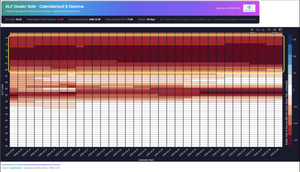
XLF: The Next Rate-Sensitive Setup The S&P 500 once again flirts with all-time highs, proving that current headwinds can do little to sway bullish sentiment. The threat of rising rates continues on as one such headwinds, creating interesting trade opportunities along the way. Last week, we highlighted an opportunity in the utilities sector (XLU) if […]
ORCL Insider Buying: Director Makes $3.5 Million Bet as Options Market Signals Caution
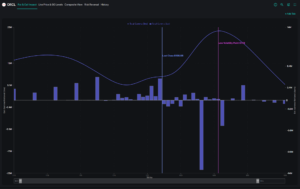
Oracle (ORCL) is attracting notable insider buying as investors weigh the company’s rapid AI-driven cloud growth against concerns over its massive infrastructure spending.
Delta Earnings Preview: Options Price a Meaningful Move as Fuel Costs Test the Bull Case
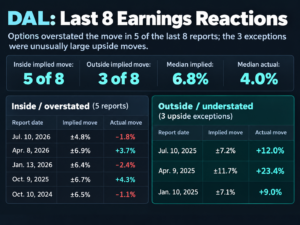
Delta Air Lines (DAL) reports third-quarter earnings before the market opens Friday, October 9, with investors watching whether strong premium travel demand can continue to offset rising fuel costs.
Last Call: Relatively Few Traders Are Hedging Equity Downside
Bond volatility has jumped while equity downside hedging stays light. See what call skew in TLT, HYG and XLU says about how traders are positioned.
LEAPS Options: Long-Term Exposure With Less Capital
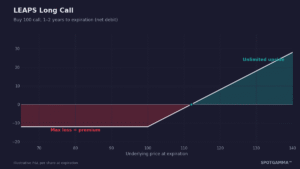
How LEAPS options deliver long-term stock-like exposure for a fraction of the capital, and why entry timing dominates the outcome.
Covered Calls: The Complete Guide to Selling Calls Against Stock
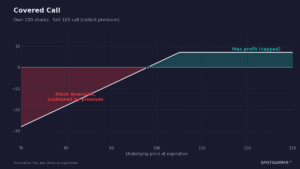
How covered calls work, what they really pay you for, and how dealer positioning data turns strike selection from guesswork into a process.
Bear Put Spread: Defined-Risk Downside Exposure
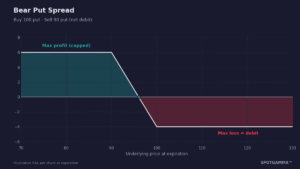
A practical guide to the bear put spread: when it beats a long put, the math at expiration, and how the Put Wall anchors the short strike.
Long Straddle: Trading a Big Move in Either Direction
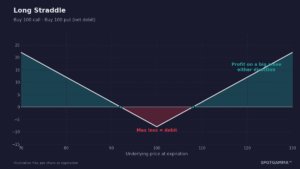
The long straddle buys a call and a put at the same strike to profit from a large move in either direction — here is how it works and when the odds favor it.
Long Strangle: A Cheaper Bet on a Big Move
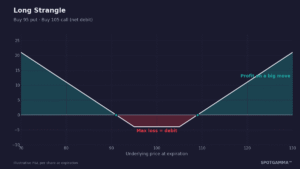
A long strangle buys an out-of-the-money put and call to bet on a big move at roughly half the cost of a straddle — the catch is the move has to be bigger.